
Spay/Neuter
Our veterinarians have over 70 years of combined surgical experience. We specialize in spay/neuter surgery.

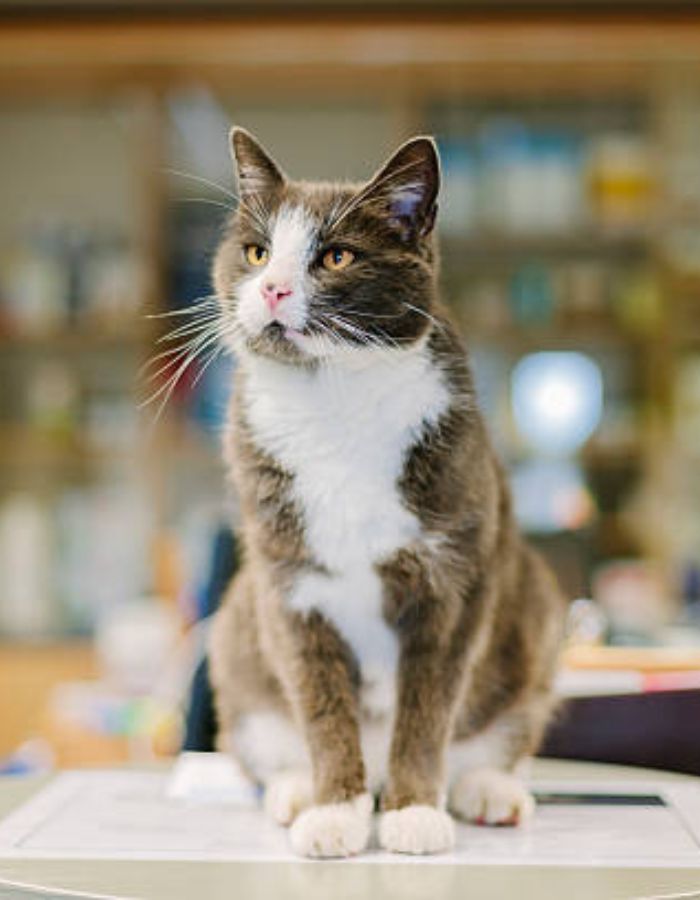
Pet Spaying And Neutering
At Valley Vetco , we understand that when it becomes time to start thinking about spaying or neutering your dog or cat, you might not be quite sure if it is the right thing to do.
Understanding Spaying and Neutering
Spaying your dog or cat is one of the best ways to protect their long-term health. It helps prevent uterine infections (pyometra), eliminates the risk of ovarian cancer, and greatly reduces the chance of mammary (breast) cancer when performed before the first heat cycle. Spaying also prevents unwanted pregnancies and can reduce behaviors associated with heat cycles, helping your pet live a healthier, happier life.
Neutering your dog or cat is an important step toward a healthier life. It eliminates the risk of testicular cancer, reduces the chance of prostate problems, and can decrease hormone-driven behaviors such as roaming, fighting, and urine marking. Neutering also helps prevent unwanted litters and supports a longer, healthier, and happier life for your pet.
Neutering at Valley Vetco is usually performed at 5-6 months up to 3 years of age for both dogs and cats.
Is The Procedure Painful For My Pet?
Dogs and cats undergoing sterilization are under general anesthesia during surgery and do not feel a thing – they are completely asleep. In most cases, pets are back to their normal routines the very next day, although the limited activity is recommended for the first week to speed healing.
Move Valley Vetco also provides all surgeries check in at 7 am the day of surgery and pets go home that same afternoon. No overnight stay is required.
Your pet’s comfort is our priority. That’s why Valley Vetco requires all surgery patients to receive take-home pain medication to support a safe and comfortable recovery.
FACTS and MYTHS – under construction
Myths & Facts About Spaying and Neutering
❌ Myth: My pet should have one litter before being spayed.
✔ Fact: There is no health benefit to having a litter. Spaying before the first heat greatly reduces the risk of mammary cancer and prevents unwanted pregnancies.
❌ Myth: Neutering will make my pet lazy or overweight.
✔ Fact: Weight gain is caused by overeating and lack of exercise—not the surgery. A healthy diet and regular activity keep pets fit.
❌ Myth: Spaying or neutering changes my pet’s personality.
✔ Fact: Your pet will keep their unique personality. The procedure may reduce hormone-driven behaviors like roaming, marking, and fighting.